
Feb 18, 2024· 7 min read
How to Parse C-CDA XML Documents for Healthcare Data Integration
A practical CCDA parser guide for extracting clinical sections, planning healthcare ETL, and mapping C-CDA XML to FHIR resources.
Technical articles, architecture deep-dives, and best practices for data engineering and interoperability.
The Efneze Engineering Insights library is built for healthcare integration engineers, data engineers, analysts, and technical teams who work with clinical data formats every day. These articles explain practical interoperability patterns across HL7 v2, C-CDA XML, FHIR JSON resources, flat files, healthcare ETL and ELT pipelines, and AI-assisted workflow design.
Each article is written as an implementation-oriented reference rather than generic marketing copy. The goal is to help teams compare standards, design ingestion architecture, inspect source records, plan FHIR mappings, and choose the right tool for the job. When a guide references a workflow, it links to related browser-based tools such as the HL7 parser, CCDA viewer, FHIR validator, or flat file viewer.
A practical CCDA parser guide for extracting clinical sections, planning healthcare ETL, and mapping C-CDA XML to FHIR resources.
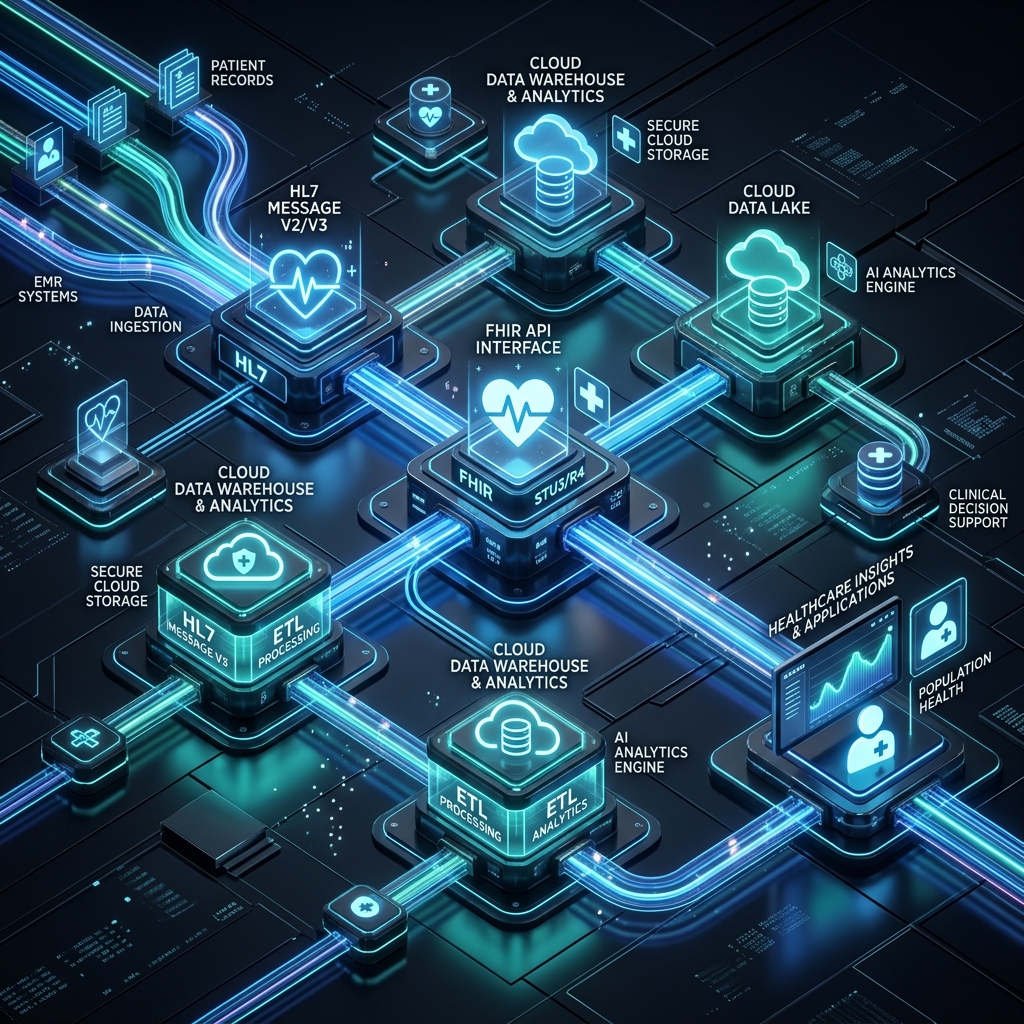
Batch vs streaming ingestion in healthcare, HL7 ingestion pipelines, and the transition to FHIR-based data lakes.
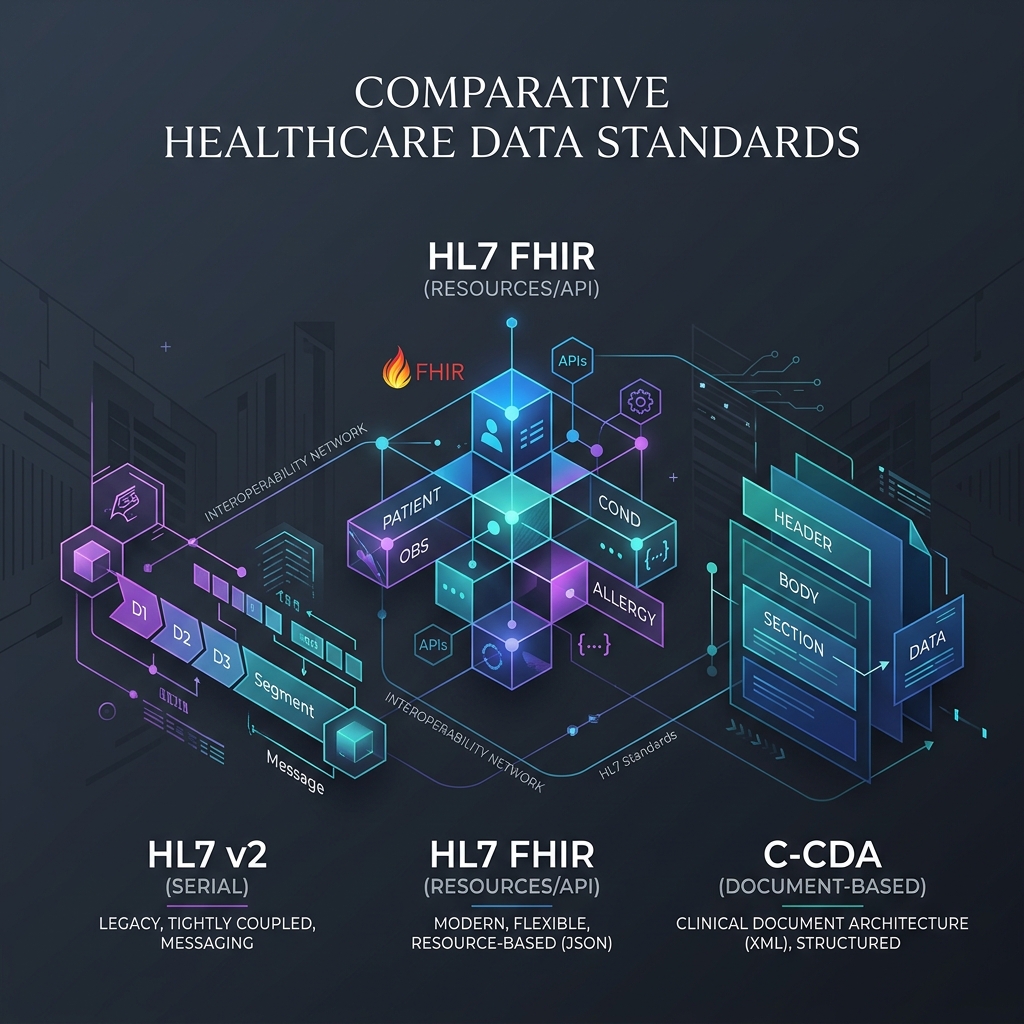
Kafka vs traditional ETL for ingestion, comparing FHIR, HL7 v2, and CCDA, and choosing between Data Warehouse, Data Lake, and Lakehouse architectures.
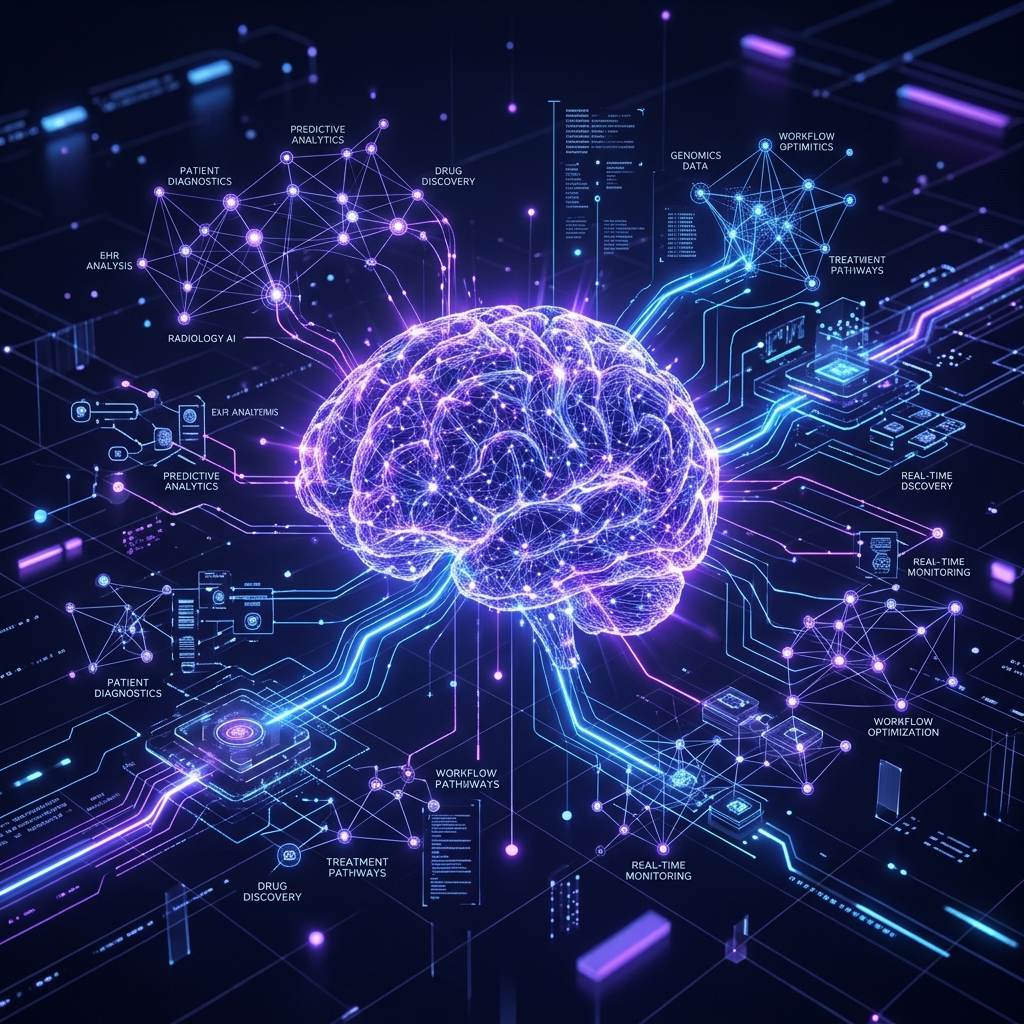
Using AI-assisted data cleaning in ETL pipelines, applying LLMs for HL7 to FHIR mapping, and automating healthcare claims pipelines.
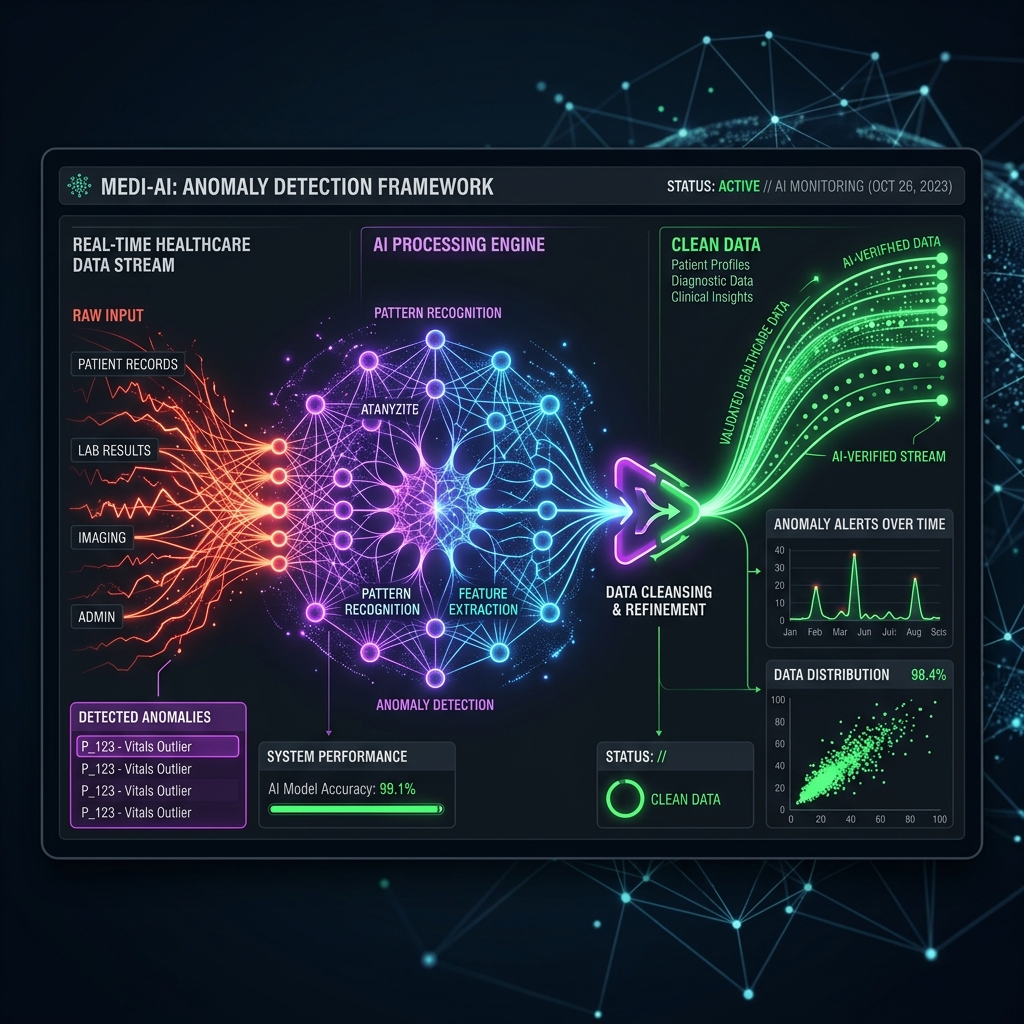
Anomaly detection in claims data, AI-driven transformation pipelines, and advanced data quality monitoring techniques.